Friday, 22 September 2023

Lačni Franz - 1981 - Ikebana
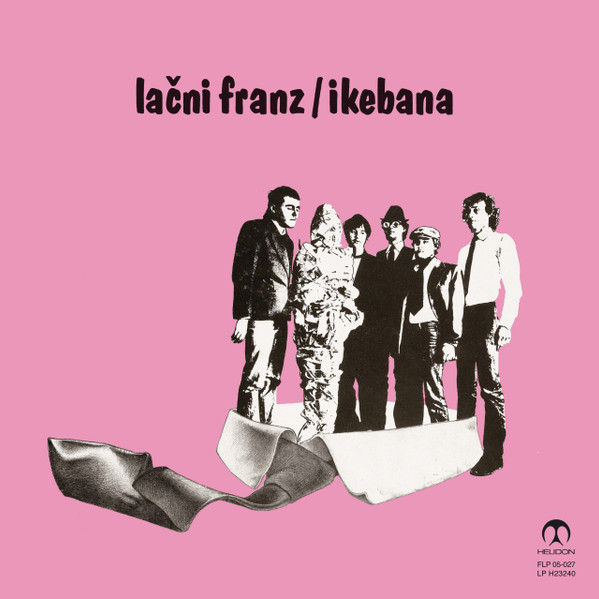
 

Lačni Franz - 1981 - Ikebana


    Lačni Franz was a Slovenian rock band, founded in 1979 in Maribor. The creative core of the five-member line-up consisted of the singer Zoran Predin and innovative guitarist Oto Rimele, who constructed the band's sound on an atypical combination of new-wave aesthetics, subtle melodic-arrangement procedures, provocative social comments and (self-)ironic poetic images.
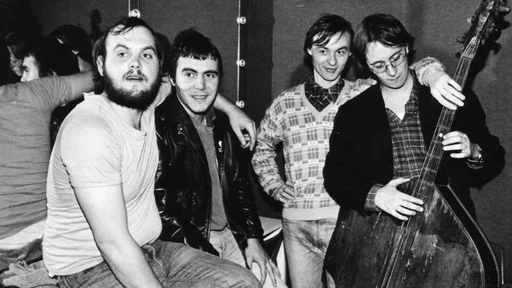


The group's rise began in 1981 with a successful performance at the Omladinskome Festival in Subotica, and the well-received debut of Ikebana, recorded for the Helidon record company and produced by Boris Bele (from the Bulldozer band). The album contained some of their best ("Praslovan", "Stari vojak") and most unconventional ("Bog nima telefona") performances in their entire career.
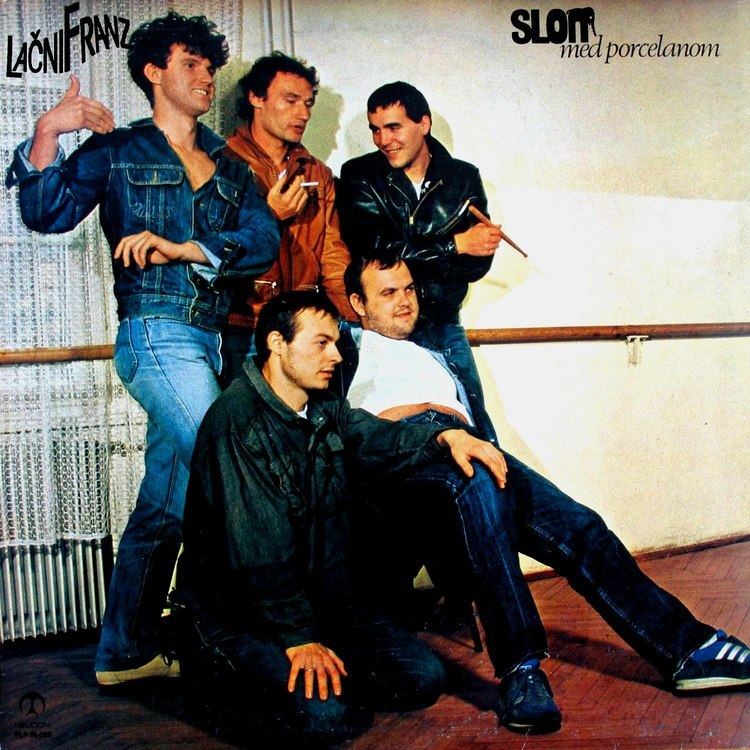

The author's original uncompromisingness and impeccable musicianship marked the second (commercially less notable) achievement Adijo pamet (1982) and the next, noticeably more communicative album Ne mi dihat za ovratnik (1983). The title song brought them closer to the widest audience, and the range of influences in the first period of their career included local folk heritage, jazz passages, elements of cabaret, blues-inspired ballads and a rich experience of Anglo-American art rock and post punk. After the album Na svoji strani (1986), Rimele briefly joined the lineup of the group Laibach, and then returned to his original calling as a painter and visual artist. The singles from that stage ("Na svoji strani", "Naj ti poljub nariše ustnice", "Čuvstveno stanje mlade krave, druge največje slovenske živali") strengthened the reputation of the band, which is capable of reconciling its own artistic affinities with the desires of the middle rock current.
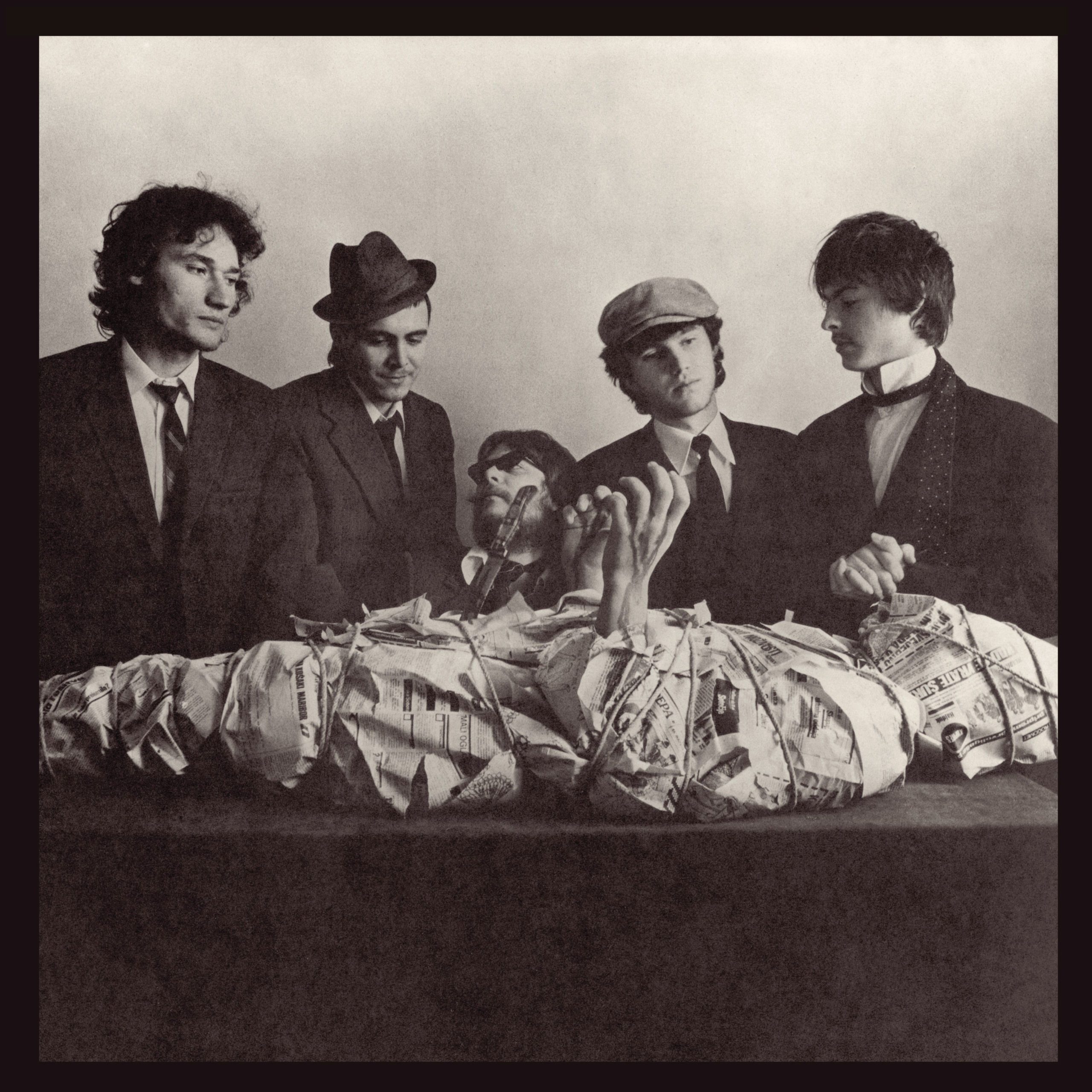

Although Lačni Franz maintained relatively high quality in the following years (and in a changed line-up), subsequent works (Sirene tulijo, Tiha voda) are generally considered less important in the overall discography. Zadnja večerja (1993) is their last studio work, although they performed in concert until December 1997. Predin developed a successful independent career by incorporating the standards of Lačno Franz into his own repertoire. The band reunited several times in a rejuvenated line-up (e.g. the album Svako dobro, 2016).


TRACKLIST:

A1 Bog Nima Telefona 3:27
A2 Paloma 3:16
Backing Vocals – Boris Bele
A3 PH4 2:24
A4 Žarnica 3:15
A5 Praslovan 3:53
Backing Vocals – Zoran Stjepanovič
A6 Bitles 2:58
Backing Vocals – Zoran Stjepanovič
B1 Ikebana 2:47
B2 Lačni Franz 3:34
Backing Vocals – Boris Bele, Zoran Stjepanovič
B3 Nekaj Lepljivega 2:54
Music By – Oto Rimele
B4 Šankrok 3:09
B5 Stari Vojak 3:40
Lyrics By – James Jones
B6 Ja Sam Sam 2:10
Vocals, Music By, Lyrics By – Zoran Stjepanovič
B7 Konec 0:36
Music By – Los Mačučambos

Credits:

Published by: Založba Obzorja Maribor
Studio:  Studio Tivoli, Ljubljana
Pressed by:  Interprogres, Zagreb

Arranged By: Lačni Fran

Bass, Accordion: Zoran Stjepanovič
Drums: Damjan Likavec
Electric Piano, Mellotron: Mirko Kosi
Guitar: Oto Rimele
Vocals, Acoustic Guitar – Zoran Predin

Lyrics By:  Zoran Predin (tracce: A1 to B4, B7)
Music By: Zoran Predin (tracce: A1 to B2, B4, B5)
Design: Didie Šenekar
Photography By: Miran Podlesnik
Producer, Editor: Boris Bele
Engineer: Aco Razbornik
Editor [Editor-In-Chief]: Drago Simončič

Saturday, 16 September 2023

Mohammed Wardi - 1997 - Al-Marsal


Mohammed Wardi - 1997 -  Al-Marsal


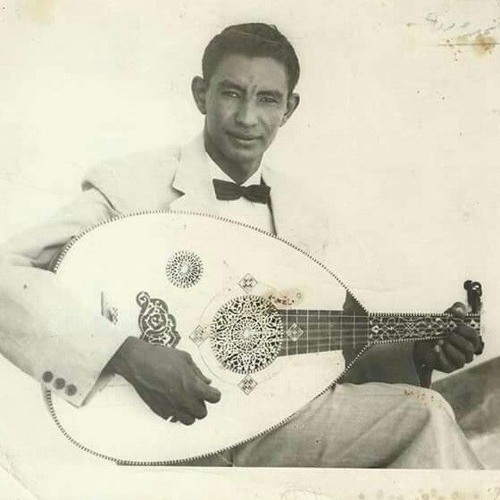
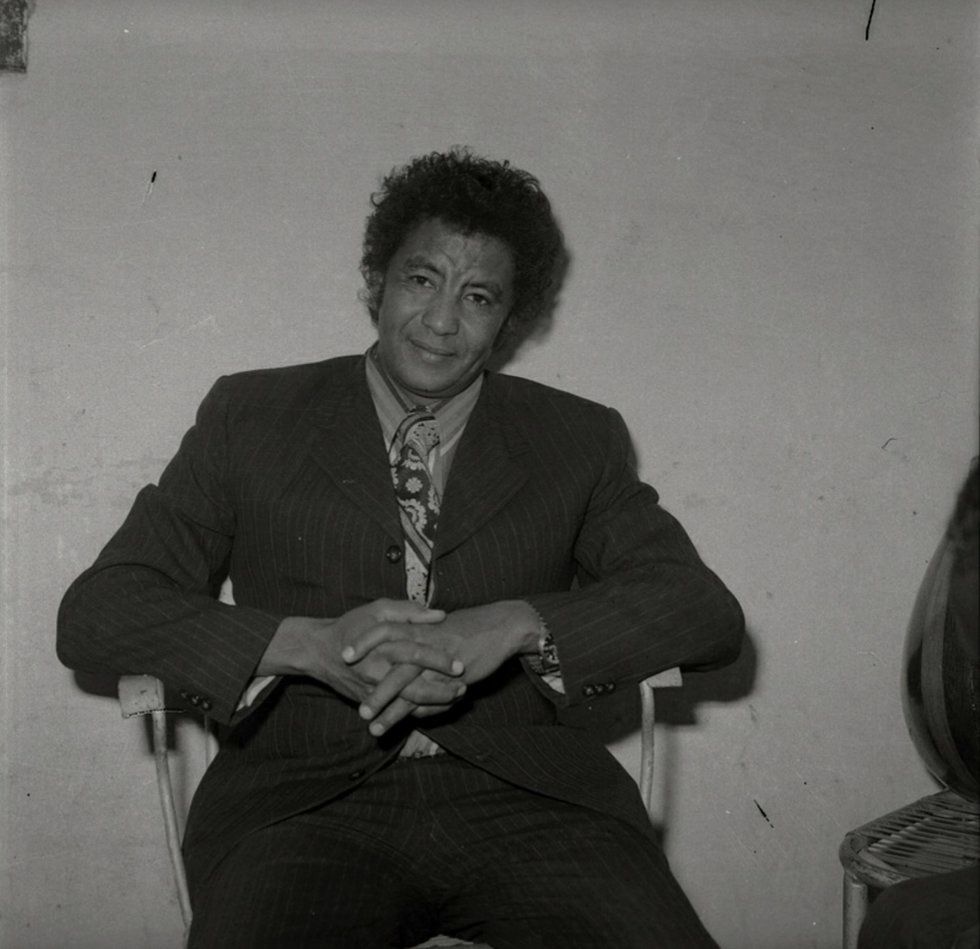
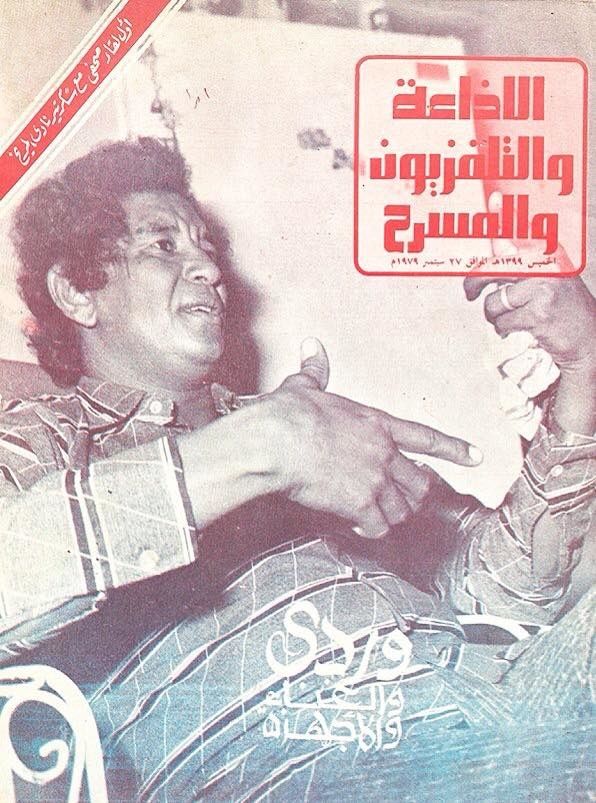
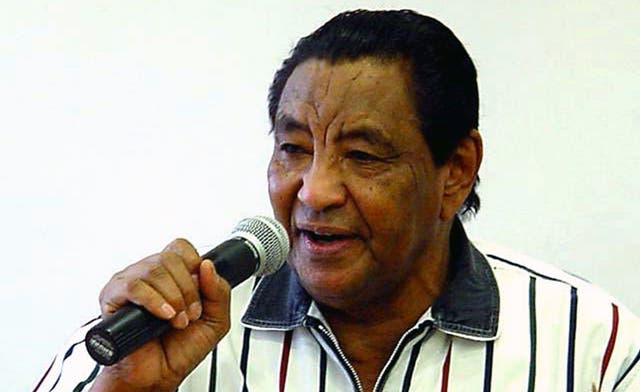
    Mohammed Wardi was a Sudanese singer who has been defined as "The Pharaoh", "The Emperor", "The Legend”, “The Last King of the Nubians”, “The Sudanese Golden Ugola” and among the best African singers. 
Everything start from 19 July 1932, when in a small ethnic Nubian village called Sawarda (near Wadi Halfa, a stone's throw from Nile and from the border with Egypt) Mohammed Wardi was born. July 19 is a very particular day in his life because it comes back and back as we go. The first time he recorded a song on the radio was July 19, 1957. When the military coup of July 19, 1971, occurred, he spent his longest time in detention. So it's always [the number] 19 for him. 
Orphaned at nine, and abandoning an already stable career as a music teacher at just over twenty, Wardi threw himself into the frenetic Khartoum of the 1950s, a city that had recently become the capital of Sudan independent from Great Britain and Egypt (1956 ). Mohammed, self-taught, then began singing on the radio, in particular on the Huna Omdurman station, created by the English in the 1940s but gradually transformed into a "national" Sudanese radio. It will be one success after another: making use of collaborations with the greatest Sudanese and non-Sudanese poets (here is a list), Wardi will become one of the most influential and representative singers and activists of his country's dynamic music scene.


Wardi's story is of particular interest to us because it is inextricably linked to his political activism and, in general, to the recent history of Sudan.
In 1958, after only two years of independence, General Ibrahim Abboud came to power in a coup. Among the successes of Wardi, a staunch opponent of Abboud, we find the song Uktubir Akhdar ("Green October"), dedicated to the strength of the people who can "bring down the prison walls", exactly what happened in October 1964 during the riots people who swept away the coup general and inaugurated a civilian government. From that October the Uktubiriyaat ("the October ones") were born, poems and songs aimed at telling and celebrating the events of that year. Finally, Asbah al-Subh ("The morning has come", here a legendary live performance), Wardi's song dedicated in particular to the students who opposed Abboud, also belongs to that period.  When he sang to Ibrahim Abboud, a former president of Sudan, it was during a military coup. He thought the military loved their country because they didn't have political parties, they didn't just talk a lot and not do much. They were military, they had order, they had discipline. So he sang for these people, but the first political clash that came with them was when they drowned Halfa, when Sudan let Egypt build the dam that drowned the city we come from.
After that, became more conscious, and more aligned with the political left. To be more specific, he was in the Sudanese Communist Party (the largest in Africa during the Cold War). That was in the '60s, he was part of the opposition to remove colonization. They were very close to the youth and their voice was the loudest.


In 1969, Sudan experienced another coup, this time orchestrated by General Ja‘far al-Nimeyri. If in the beginning Wardi supported the latter's "socialist" policies, he later changed his mind when faced with the ferocious repression of dissidents (including himself, imprisoned), with laws that limited freedom of expression, producing, among other things, the resulting decline of the music industry. In a first self-imposed exile, he performed some songs such as Banadeeha (“I am calling her”) in which he criticized al-Nimeyri and, with songs such as Ya Sha'aban Lahabak Thouritak (“O People, your revolution has caught fire”) and today's song Hanabnīhu ("We will build it!"), supported the popular protest movement that would lead to a new civilian government in 1985.


However, the real exile (between Cairo and the United States) came in 1989, with a further coup d'état by Omar al-Bashir, who remained in office for exactly 30 years, until the recent Sudanese popular uprisings that began in 2018, which ousted him in April 2019.
Milestones from that period are such as al-Marsal (“The Messenger”), Balad Rayeh (“The country is lost”) and above all Sallim Mafateeh Al Balad (“Give us the keys to the country”), which has become famous again, like many of his others. songs, in "updated" versions (like that of the artist Zoozita) and loudly taken up during the most recent protests. In 1994, Wardi won a prize that anointed him the best singer in Africa. 
 

Mohammed Wardi, like music in Sudan, is a treasure to be discovered: we have not exposed his songs in Nubian, those for Sudanese unity, those dedicated to the Sudanese diaspora, those against all sorts of racism and the dozens of songs of 'Love. We have not talked about some legendary moments, such as his concert in front of thousands of Sudanese refugees in the refugee camp of Itang (Ethiopia) in 1990, about that fan who came on foot from Mali to ask him for an autograph for which he paid for the return flight and of his triumphal return to Sudan in 2002.


Here a nice interview to Mohammed Wardi's son: https://www.okayafrica.com/mohammed-wardi-sudan-last-king-nubia/
(https://www.oasiscenter.eu/it/tarab-mohammed-wardi-ricchezza-musica-sudanese)


TRACKLIST:

A1 جمال الدنيا
Lyrics By – كمال محيسي
A2 الهوى الأول
Lyrics By – الجيلي عبد المنعم
A3 حنينة
Lyrics By – إسماعيل حسن
B1 غلطة
Lyrics By – إسماعيل حسن
B2 صدفة
Lyrics By – إسماعيل حسن
B3 المرسال
Lyrics By – محمد علي أبو قطاطي

Recording Studio: Al Araby Music Studio

Credits:
Accordion: الزين مبارك
Bass Guitar: حامد موسى
Guitar: كميليو, محمد سليمان
Keyboards: عمر عويس
Percussion: جعفر حرقل
Saxophone: حامد عثمان
Strings: مجدي العاقب, محمدية, ميكائيل الضو
Trumpet: سراج

Composed By – محمد وردي
Arranged By – محمد وردي
Design – هاشم ودراوي


Perper - 1992 - Sa Gomile Velikih Oblaka


Perper - 1992 - Sa Gomile Velikih Oblaka


    Перпер (Perper) was formed at the end of 1991 in Cetinje, Montenegro. Centije is a small town. It was the perfect place for friends to get together & form a band. After a holiday conversation between Momčilo Zeković Zeko - bass & Aleksandar Radunović Popaj – lead guitar, the two got together to play a few songs & decided to get serious about recording.


After the holidays, the two returned to Novi Sad & Belgrade where they were studying. While at school, Popaj enlisted his brother Nikola Radunović - vocals, then they rounded up Mladen Brajović – rhythm guitar & Ivan Vujović Mane – drums, & Перпер was formed ( the band name Perper was coined by an old friend & local bands singer Mićko Marović). They were looking for a name that would be unique, recognizable, & easily remembered. Перпер was exactly what they wanted.


Перпер’s first major appearance was on a Montenegrin TV show in November 1991 with a song "Mir Kao Peto Godišnje Doba" (Peace as a Fifth Season). It was an anti-war song, which, due to strong pro-war sentiment, didn’t go over very well but led to more exposure for the band.


At the end of December they recorded their first album Sa Gomile Velikih Oblaka (From a Bunch of Big Clouds) in Novi Sad. They have released seven albums & many singles. This album, recorded live at the Montenegro National Theater is the first ever ‘unplugged’ concert recorded in Montenegro.
(https://nathannothinsez.blogspot.com/2013/04/montenegro.html)


TRACKLIST:

A1 Golub Za 086 4:13
A2 Montenegro Džez 3:49
A3 Kome Dolaziš U San 3:28
Lyrics By [Refrain] – Miladin Šobić
A4 Ljubav (Za Laku Noć) 3:42
B1 Sve Je To Danas 4:54
B2 Ritmovi Za Nevjerne 4:40
B3 Kiše Za D.M. 4:02
B4 Seansa 4:22

Credits

Realized by: PGP RTB – NL 00191
Recording studio: Studio M, Novi Sad

Momčilo Zeković: Bass Guitar
Ivan Vujović: Drums
Aleksandar Radunović: Guitar
Mladen Brajović: Rhythm Guitar
Nikola Radunović: Vocals

Music By, Lyrics By – Momčilo Zeković-Zeko*
Producer, Arranged By – Perper
Producer, Recorded By, Keyboards – Saša Pavlović

Recorded during November and December 1991 at Studio M, Novi Sad.
Supported by Radio Cetinje.


Tuesday, 29 August 2023

Scorpio Universel - 1978 - Album II


Scorpio Universel - 1978 - Album II


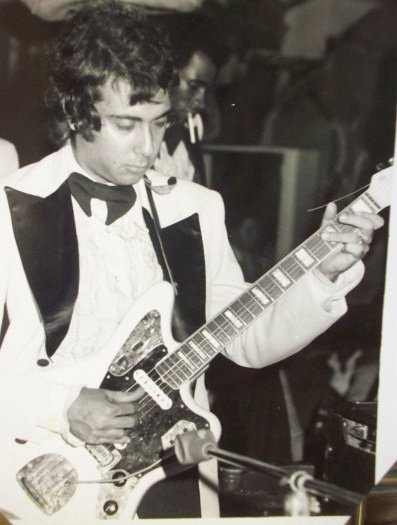
    Born in Haiti and of Italian descent, Robert Martino,  started playing music and particularly the guitar at the young age of fourteen. One of his first major live appearance was at “Cabane Choucoune” with the creator of Compas Direct Nemours Jean Baptiste. Compas Direct  sometimes spelled “Kompa” is the popular rhythm and music from Haiti.

Robert Martino is one of the main creator of “Mini Jazz” a movement in Haitian music that started in the 1960’s with the worldwide emergence of The Beatles. This trend transformed Kompaby reducing the traditional number of musicians to only seven or eight.


In 1965,  Robert Martino started playing with “Les Difficiles” de Petion Ville of Henry Celestin, Jean Robert Herisse (Porky), Emmanuel Charles (Mama), Sony Louis (Ti Boeuf), Fredy Berenault, Paul Edme, Billy Degand, ect …. They became instant neighborhood sensation with hits such as: “Min Paulo”, “Ce La Vi”, “Composition / Espoir”, “Kenscoff”, “Les Ombres Du Temps”, ect ….

Les Gypsies de Petion Ville

In 1972,  Robert Martino joined the legendary group Les Gypsies de Petion Ville. This band became notorious for its many classics such as “Patience”, “La Tulipe”, “A Cote”, “Courage”, “Toi et Moi”, “La Priye”, ect …. The band included such great musicians as Tico Pasquet, Reynold Nadere (Cincin), Max Badette. The group was an instant hit and played regularly at then famous night spot “Chez Maxime”. The band was also famous for its many great Carnival songs.


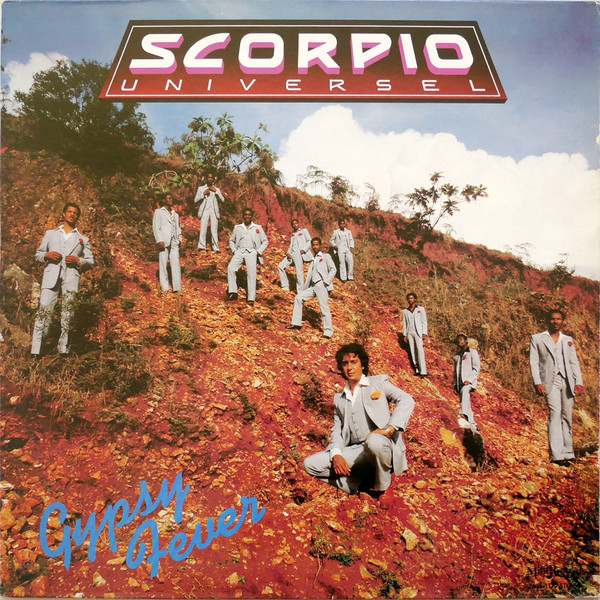
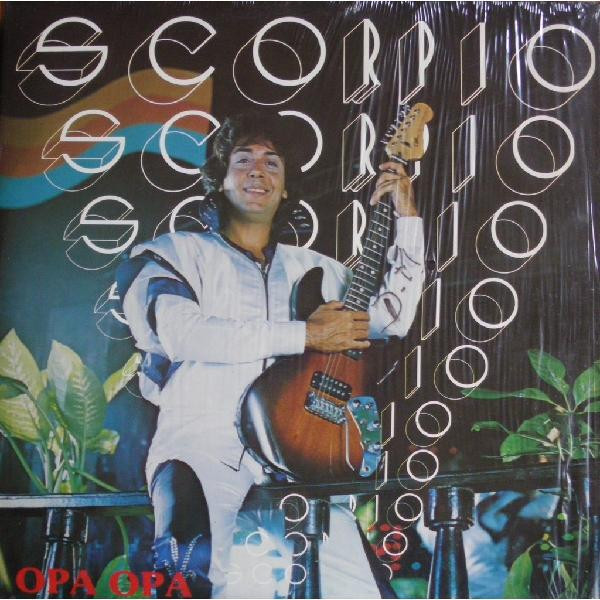
In 1977,  Robert Martino took another turn when he became the lead guitarist for the famous group SCORPIO. He played alongside singers Olson Jean Louis and Gracia Jean Philippe “Ti Kit”. They became very popular and had hits such as “Map Mande Courage”, “Tande”, “Min Yayad La”, “Christianne”, “Opa Opa”. They played regularly at the “Caroussel Club”.


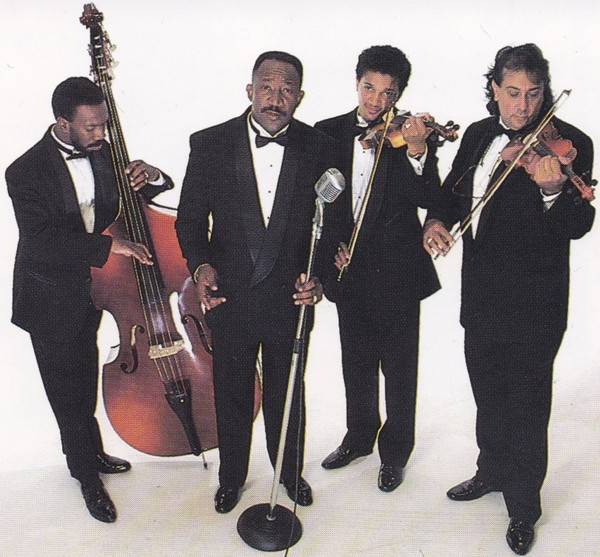
After moving to the United States in the 80’s,  Robert Martino started the “New Generation” movement by creating in 1986 Top Vice which became the first known band to play with a sequencer and drum machine. The group has hits such as: “Min Nou”, “Symphonie D’amou”, “Plezi Gaye”, “Fan’m Deyo”, “Min Aveg La”, ect….

Top Vice

Robert Martino introduced in Kompamusic guitar effects like chorus, delay, fith Dimension, distortion, tube-mouth and other sounds. To date,  Robert Martino has recorded over fifty albums. He has performed at Carnegie Hall in New York, Le Zenith in Paris, the Bayfront Park in downtown Miami, au Palais Des Congres in Canada, in New Caledonia with his sons and more ….. He has performed all over the world in countries such as: France, Martinique, Guadeloupe, French Guyana, The Dominican Republic, Dom-Tom, The Bahamas, Saint Martin, Togo, Benin, Ivory Coast, Canada, The U.S., The Turks and Caicos, ect…

Robert Martino has worked with many music giants such as: Celia Cruz, Claude Marcelin, Reynold Nadere, Ron  Perez, Dadou & Tico Pasquest, Roberto and Reynaldo Martino, Alan Cave, Ralph Thamar, Stanley Toussaint, Cubano, Loubert Chancy, Shoubou, The Widmaer Family, Reginald Policard, Makarios Cesaire, Demer Seide, Fabrice Rouzier, Misty  Jean, Eric Virgal, Orlane, Hoaraw, Kassav, Emeline Michelle, Ralph Conde, Tuco Bouzi, Henry Debs, Ronald Rubinel,  Jocelyne Labylle, Christiane Valejo, John Doane, Hoja Seca, Shleu Shleu, Tabou Combo, Coupe Cloue, System Band, Skah Shah, Dieudonne Larose, Message, Jacques Sauveur Jean, Skandal, Zin, Lakol, Phantom, Nu-Look, T-Vice, Kreyol La, Hangout…


Known as the “LEGEND”, his favorite guitar players are: Carlos Santana, Jimmy Hendrix, Eric Clapton, Peter Frampton, Joe Satriani, Jimmy Page and Pat Matheny. In 2007,  Robert Martino released his latest solo album “Oye Chica” that gathers yet some of his best work. Done in collaboration with long time partner Freddy, producers Ralph Conde & Jeff Wainwright, singers such as Misty Jean, Olivier Duret, Herly Jacques,  Robert Martino is truly one of the great artist that Haiti has produced. Today,  Robert Martino still records and performs regularly to the joy of his many fans.

http://facebook.com/robertmartino” http://facebook.com/robertmartino
www.myspace.com/robertmartino


TRACKLIST:

A1 Pélérinage
A2 Blinginding
A3 Ti Lu Lu Pe
B1 Noú Rivé
B2 Roots, Rock, Reggae
B3 Carnaval Cole' Sou Yo

Credits:

Bass – Jn. Robert Louis
Chorus – Mario Jn. Gilles, Pedro Souffrant
Composed By, Arranged By, Guitar [1st.] – Robert Martino
Congas – Roger Laurent
Drums – Georges Jn. Gilles
Engineer [Recording, Mixing] – Robert Denis
Guitar [2nd.] – Reynold Nader
Organ, Synthesizer, Piano – Claude Montreuil (tracce: Nathan Montreuil)
Other [Impressario] – Pierrot Al-Kal
Photography – Henry Célestin
Producer – Patrick Amson
Tom Tom, Gong – Eddy Louis
Trombone – Saur Gelin
Trumpet – Mario Denis
Written-By, Vocals – Olson Jn. Louis

Zabranjeno Pušenje - 1985 - Dok čekaš sabah sa šejtanom


Zabranjeno Pušenje - 1985 - Dok čekaš sabah sa šejtanom


   Zabranjeno Pušenje (transl. No Smoking) is a Bosnian rock band formed in Sarajevo in 1980. The group's musical style primarily consists of a distinctive garage rock sound with folk influences, often featuring innovative production and complex storytelling. Currently, the band consists of founding member, vocalist and guitarist Sejo Sexon, longtime drummer Branko Trajkov, guitarist Toni Lović, bassist Dejan Orešković, and violinist and keyboardist Robert Boldižar.


In the early 1980s, when the rest of the Yugoslav popular music scene followed the trends in Europe of the early 1980s, chiefly punk rock and new wave, Zabranjeno Pušenje were part of a unique rock movement centered in Sarajevo that forged its own path. This movement, for the most part, centered on simple, youthful, garage rock, with folk influences and a distinctive Sarajevo urban feel called New Primitivism.
The songs range from punk rock to rock, frequently arranged to feature trumpets and saxophones, adding to the band's unique sound, along with many samples and soundbites from the period. Zabranjeno Pušenje captured the feel of Sarajevo, its idols and local heroes along with tales of love and loss, in a distinctive and often humorous way. Very visual and cynical, the band's lyrics were progressive enough to show the last stages of Yugoslav socialism (songs "Dan republike", "Srce ruke i lopata", "Abid", "Guzonjin sin"), alternate clubs ("Pišonja i Žuga u paklu droge", "Javi mi"), as well as providing morbid hints for the Yugoslav Wars ("Kanjon Drine", "Zvijezda nad Balkanom").


They were one of the most popular musical acts of the 1980s in Yugoslavia, selling hundreds of thousands of records. Many times they got in trouble with the authorities for their, usually mild and sympathetic, criticism of the socialist system, and the habit of making light of issues considered sensitive at the time. The band's first lineup, originally named Pseudobluz bend Zabranjeno Pušenje, featured guitarist Sejo Sexon and vocalist Nele Karajlić, alongside drummers Fu-Do then Šeki Gayton, bassist Munja Mitić, keyboardist Seid Mali Karajlić, saxophonist and flutist Ognjen Gajić, guitarist Mustafa Čengić, and synthesizerist Zoran Degan. Their debut studio album Das ist Walter (1984) was initially released in limited circulation; the final count was 100,000 copies sold, setting a record for exceeding the initial release by 30 times. Their subsequent album Dok čekaš sabah sa šejtanom (1985), also released through Jugoton, was boycotted by the mainstream media due to troubles with Communist authorities (ofr a pun about Marshal Tito expressed during a concert). In 1986, Šeki Gayton, Mitić and Čengić chose to leave the group, while drummer Faris Arapović, bassist Darko Ostojić, guitarist Kowalski and keyboardist Dado Džihan joined in. During the second half of 1980s with the new lineup of the band released two albums Pozdrav iz zemlje Safari (1987) and Male priče o velikoj ljubavi (1989) through Diskoton.


During 1992, the band split followed the Bosnian War, Nele Karajlić continued working in Belgrade under the names Nele Karajlić & Zabranjeno Pušenje and Emir Kusturica & The No Smoking Orchestra, while Sejo Sexon and other members rejoined in Sarajevo, using the original name, continuing the band's career released the fifth studio album Fildžan viška (1997) with the changed lineup. The band's 1990s lineup alongside Sejo Sexon featured the leader of the New Primitivism movement Elvis J. Kurtović, vocalist Marin Gradac, a guest on the 1987 album bassist Dragan Bobić, guitarist Sejo Kovo and violinist Bruno Urlić. After one temporary drummer, Branko Trajkov joined the group in 1996. The same lineup recorded the album Agent tajne sile (1999). In 2000, Kurtović, Kovo, and Gradac left the group, while guitarist and producer Dragianni joined the group and played on their subsequent album, Bog vozi Mercedes (2001). That album was followed five years later by Hodi da ti čiko nešto da (2006). In the mid-2000s, Dragianni, Bobić, and Urlić chose to leave the group, while guitarist Toni Lović, bassist Dejan Orešković, and violinist Robert Boldižar came to their seats. 


The band's ninth studio album, Muzej revolucije (2009), was released on the Anniversary of the October Revolution in almost all former Yugoslav countries, on the same day. The band released their tenth studio album, Radovi na cesti, in 2013. Their eleventh studio album was released in 2018, titled Šok i nevjerica. The twelfth and another double studio album Karamba! was released in 2022.


TRACKLIST:

A1 Stanje Šoka 3:10
Lyrics By – Karajlić
Music By – Sexon
A2 Djevojčice Kojima Miriše Koža 3:51
Lyrics By – Sexon
Music By – Seid L. Karajlić
A3 Lutka Sa Naslovne Strane 3:32
Lyrics By – Sexon
Music By – Munja
A4 Dok Čekaš Sabah Sa Šejtanom 4:43
Lyrics By – Karajlić
Music By – Sexon
B1 Dok Jezdiš Ka Alemanji 3:07
Lyrics By – Sexon
Music By – Seid L. Karajlić
B2 Ibro Dirka 3:20
Lyrics By – Karajlić
Music By – Sexon
B3 Ja Imam Kuhinju 3:36
Lyrics By – Karajlić
Music By – Degan
B4 Ne Me Quitte Pas 0:10
Adapted By (Text) – Fu-do
Written-By – Jacques Brell
B5 Učini Da Budem Vuk 3:40
Lyrics By – Karajlić
Music By – Munja, Degan
B6 Baš - Čelik (Prvi Dio) 2:25
Backing Vocals – Senad Od Bosne
Lyrics By – Kaštelan
Music By – Sexon
Synthesizer [Oberheim] – Stanko Juzbašić
C1 Brut 2:29
Lyrics By – Sexon
Music By – Elvis J.
C2 Radost Prvog Žita 3:34
Written-By – Gajić
C3 Ujka Sam
Lyrics By – Karajlić
Music By – Sexon
3:40
C4 Nedelja Kada Je Otišao Hase
Lyrics By – Karajlić
Music By – Sexon
4:07
D1 Sanjao Sam Noćas Da Te Imam 3:31
Lyrics By – Degan
Music By – Elvis J.
D2 Kažu Mi Da Novog Frajera Imaš 3:42
Lyrics By – Sexon
Music By – Elvis J.
D3 Gospođa Brams 3:41
Lyrics By – Karajlić
Music By – Sexon
D4 Baš - Čelik (Drugi Dio) 2:43
Backing Vocals – Senad Od Bosne
Lyrics By – Kaštelan*
Music By – Sexon*
Synthesizer [Oberheim] – Stanko Juzbašić

Credits:

Pressed By – GIP "Beograd"
Arranged By – Zabranjeno Pušenje

Bass, Backing Vocals – Munja Mitić
Congas, Backing Vocals – Fu-do Đozić
Design – Srđan Velimirović
Drums – Šeki Gayton
Engineer – Vladimir Smolec
Guitar [Rhythm] – Sejo Sexon
Guitar [Solo], Backing Vocals – Mujo Snažni
Keyboards – Seid Little Karajlić

Lead Vocals – Dr. Nele Karajlić
Photography By – Elvedin Kantardžić
Producer – Mahmut Paša Ferović
Recorded By – Dragan Čačinović - Čač
Saxophone, Flute, Keyboards – Ogi Gajić


Paja Brava - 1977 - Herencia I


Paja Brava - 1977 - Herencia I


   Paja Brava was born on September 21, 1975 on the occasion of participation in the "II Festival Estudiantil de la Canción Boliviana" held in Oruro representing the Bolívar National College in the city of La Paz. It obtained second place in the conjuto category instrumental vocal. In November 1976 they recorded her first album for the Lauro y Cia label, interpreting native music. Starting this year, they performed different performances and offers concerts in different stages of the country and neighboring countries.


1976.

They gained a great popularity publishing several great albums, Among their most recognized albums we can mention "Herencia I y II", "Serenata Mestiza", "Vuelve", "Sueño Inca" and "Chuquiago Total". 
In 1987 the group is invited to participate in the Edinburgh Festival (Scotland). They begins a series of artistic tours through European countries, mainly in France and Great Britain. Visit countries like England, Ireland and Scotland.

Eulogio Poma, Isidro Puña, Julio Rojas, Roger Sería y Eddy Montes de Oca. 1986.


In 1987 in France "PAJA BRAVA BOLIVIA" was published
Upon his return to Bolivia in 1997, they recorded for Discolandia the album titled "Vuelve"
In February 1998 they participated in the "Raices" Festival in Iquique, Chile.
In the year 2000 they released the album "El Sueño del Inca" on the Discolandia label.
In 2003 they recorded the album "Chuquiago Total" which was released in February of
2004.

The promotion of the album "Vuelve". 1997.

In 2005 they celebrate with a great concert in La Paz 30 years of activity
With 10 productions on the market, this important group of the folkloric genre has managed to establish itself as one of the most worthy representatives of Bolivia abroad. For this reason, they have toured and they are still touring several countries in Europe and America, bringing Bolivian folklore. 


TRACKLIST:

A1 Fiesta
A2 Flor De Santa Rosa
A3 Nube Negra
A4 Quena Quenas
A5 Phalahuata
A6 Hijo Del Sol
B1 Herencia
B2 Choquelas
B3 Mocenhada
B4 Agua Uma
B5 Aguita De Phutinha
B6 Tiempo Al Tiempo

Credits:

Realized by – Industrias Fonograficas "Heriba"
Distribuited by – Heriba Ltda.
Pressed by – Impresora Heriba

Charango, Percussion – Hugo Ch. Yujra*
Guitar, Instruments [Wind], Percussion – F. Eulogio Poma*
Instruments [Wind], Instruments [Acoustic] – Agustín Silva, Antonio Coronel (2)
Percussion, Instruments [Wind] – Ernesto Tacachira

Discos Heriba - Bolivia
Manufacturado por " HERIBA LTDA." La Paz - Bolivia
Industria Boliviana

Friday, 25 August 2023

Rossy - 1989 - Madagascar


Rossy - 1989 - Madagascar


    Paul Bert Rahasimanana (born 20 September 1960), better known as Rossy, is a Malagasy singer and songwriter, generally considered the most popular Malagasy artist of the 1990s. Beginning his musical career as an accordionist and singer within a traditional hira gasy musical troupe, Rossy innovated a fusion of hira gasy instrumentation and vocal style with contemporary rock, funk and folk sounds to create a uniquely Malagasy genre of contemporary popular music. Rossy actively promoted former president Didier Ratsiraka through concert performances throughout his presidency and served within the Ministry of Culture to promote artists' rights and copyright law. When Ratsiraka fell into disfavor following the contentious 2001 Malagasy presidential elections, Rossy went into self-imposed exile in France. He returned to the island to give concerts beginning in 2008 and enjoyed enormous popularity despite six years of absence, setting an unbroken record of 35,000 tickets sold for a performance given that year. His compositions and style are frequently associated with the Ratsiraka socialist period and commonly evoke a sense of nostalgia among Malagasy fans. 


Paul Bert Rahasimanana was born in 1960 to a working-class family. At the age of seven, he was given an accordion as a gift and began teaching himself to play. In the early 1970s, Rahasimanana and a group of friends formed an a capella group called Hazo Midoroboka and began singing traditional consolatory songs (mamonjy jaobany) for those grieving at wakes held in their neighborhood of Ampamarinana in the Mahamasina district of Antananarivo. Mourners paid the members of the group in the form of free cups of coffee and fritters. Like many other urban youth from working class and poor neighborhoods, Rossy also performed soava and vakisova, contemporary and typically a capella urban genres that expressed incisive social critique through slang-laden, rapped lyrics with complex hand-clapping accompaniment. While a high school student in 1981 he formed his first band, using African percussion rather than a Western drum kit to set the rhythm. In 1983, Rossy gave his first public performance of a song he had composed in the lively vakisôva genre. The performance occurred in the courtyard of the historic Ecole Sainte Famille located in Mahamasina and was attended by local television host Tsilavina Ralaindimby, who recognized the young man's talent. Ralaindimby brought him to the attention of the director of the Centre Germano-Malgache, who was sufficiently impressed to collaborate with WDR (the predecessor of Radio France Internationale) to organize a four-month series of performances for Rossy in Germany. Rahasimanana's youth was colored by the socio-political currents prevailing across the island under President Didier Ratsiraka's socialist Second Republic. The young musician was molded by his impoverished background, instilling in him a concern for the struggles of the Malagasy lower classes and motivating him to rise above his family's humble origins. Favorably impressed by policies of the president's AREMA party that provided scholarships and other benefits to underprivileged youth members, Rahasimanana became an early and enduring supporter of the party and its president.


Following his first overseas concerts in Germany in 1983, Rossy's popularity continued to grow both nationally and overseas. He performed abroad in such countries as the United States, France, Japan, Russia, England and Canada. These performances allowed Rossy to become the first Malagasy artist to introduce European audiences in Berlin and Paris to the genre of salegy, although Jaojoby would go on to promote the genre much more widely and successfully. Rossy's open and enthusiastic support for Ratsiraka throughout his presidency assured Rossy's band regular performances in association with presidential functions, and his band came to define the Ratsiraka era for many.
He recorded his 1991 album Island of Ghosts at Peter Gabriel's Real World Studios in England.The following year he toured Europe with Rakoto Frah, an elderly master of the traditional sodina flute. His 1994 release, Bal kabosy, was a massive success in Madagascar and led Radio France International to award him a trophy, declaring him "The best ambassador of Malagasy music".
In 2001 he was named by Ratsiraka to the cabinet position of Cultural Adviser.


During the course of the 2001 campaign a conflict arose between Rossy and the opposition candidate, then-mayor of Antananarivo Marc Ravalomanana, which manifested in such indirect ways as the ostracism of Rossy's bodyguards by influential Ravalomanana supporters. Rossy chose to spend time in France to allow the political standoff to run its course. When Ravalomanana was ultimately declared the winner of the election, Rossy anticipated a further deterioration in his relations with the new political, social and economic leaders of the capital, and made the decision to remain with his family in France until the situation improved. He was to remain six years in France without returning home to Madagascar. Minister of Culture Patrick Ramiaramanana (2007–08) attempted to prohibit Rossy from holding concerts in Madagascar. Despite the friction between Rossy and Ravalomanana, Ramiaramanana's efforts were condemned by the president, who relieved the minister of his post.
During Rossy's self-exile in France, he continued to focus on projects that broadened his artistic abilities. He contributed to the album Vie Sauvage by French artist Antoine, and performed a concert in 2003 with Blankass, a French rock group


In 2008 Rossy returned to Madagascar, giving a series of concerts at Mahamasina Stadium in Antananarivo. These concerts were wildly successful; the first sold over 35,000 tickets, a number that in 2013 remained unsurpassed by any other Malagasy artist. He currently lives in Antananarivo with his family and gives regular performances. In addition, he serves as cultural adviser to the administration of Andry Rajoelina, current interim head of state for the High Transitional Authority following the 2009 Malagasy political crisis that removed Ravalomanana from power


Rossy's style draws its influences from musical genres across the island of Madagascar, including salegy, kwassa-kwassa, hira gasy, and vakisôva, as well as foreign genres ranging from reggae and soukous to pop and rock. The instrumentation of a typical Rossy song combines electric bass guitar and drum kit with a variety of Malagasy musical elements, most commonly including the brass section of a hira gasy troupe, an amplified kabosy guitar, accordion, folk instruments like the valiha or marovany, and traditional hand-clapping rhythms prominent in such local genres as salegy and vakisôva. Rossy and 1970s Malagasy folk rock supergroup Mahaleo were the first mainstream artists to integrate the kabosy into contemporary Malagasy pop music.
The accordion is Rossy's preferred instrument and the one he most often plays himself during live performances. He is also skilled in the sodina flute, guitar and valiha.
Like many other urban youth growing up in the working-class neighborhoods of Antananarivo, Rossy casually improvised with his friends to create songs in the vakisôva genre. This contemporary Malagasy musical genre is characterized by politically and socially incisive lyrics delivered a capella in a rhythmic, rap-like style over complex hand-clapping beats. Long after vakisôva performance launched his career, Rossy continued to draw upon its rhythms and sensibilities as a vehicle for expressing bold political and social critique while capitalizing on the genre's dance-inducing entertainment value. As a consequence, by the time he had achieved national popularity under his stage name Rossy in the early 1990s, he had developed a reputation for speaking truth to power and being unafraid to address sensitive issues through his music. Many of Rossy's songs raise awareness of such issues as environmental degradation and poor governance


TRACKLIST: 
1 Papa Mandela 3:21
2 Lehilahy Mahery 2:16
3 Any Imalala 3:17
4 Ambilahao Zaho 4:56
5 Avela Ho Avy 3:48
6 Manjelatra 2:49
7 Marary Africa 4:16
8 Mitombo 2:52
9 Soa Fa Nisy Anareo 3:43
10 Raha Manina 3:44
11 Madagasikara 3:58
12 Marobe 2:55
13 Hira-Gasy 3:37
14 Aza-Itsaninao 4:30
15 Vakisaoava 3:27
16 Ka Meloke 3:50
17 Alin Kisa 5:28
18 Mitotototo  3:14
19 Vakisiny 3:32

Credits
Recording studio – Studio Discomad, Antananarivo
Mixed at – Tonstudio B
Distribuited  – Mélodie Distribution

Bass – Luc-Henri Barege
Congas, Bongos – Jean-Roch Rakotomalala-Andrianasolo
Congas, Drums – Marie-Norbert Rakototafika
Drums, Kabosy – Laurent Razafindraibe
Keyboards [Additional] – Stefan Pape (tracks: 4, 7)
Keyboards, Guitar – Bruno Randrianasivelo
Lead Vocals, Acoustic Guitar, Zither [Valiha], Accordion, Flute – Rossy
Music By – Rossy / Paul Bert Rahasimanana
Vocals, Percussion – Marie-Josephine Rasoarimalala

Maitre Gazonga & L'International Challal - 1984 - Les Jaloux Saboteurs

Maitre Gazonga & L'International Challal - 1984 - Les Jaloux Saboteurs     Born May 27, 1948 in Am-Timan, capital of the Salamat reg...